
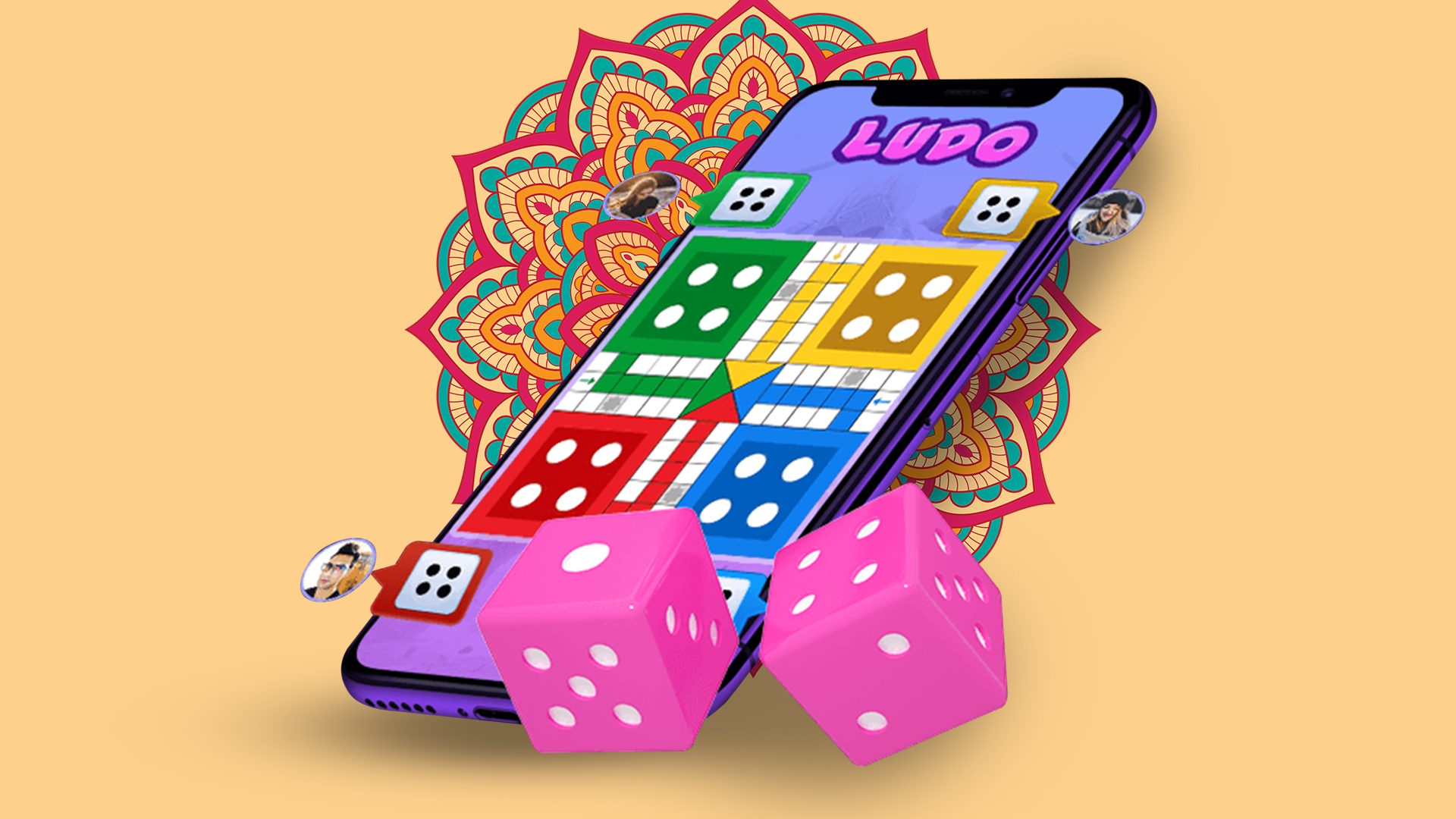
Creativity, innovation and technology have given new life to the ancient Indian game now called Ludo. Through it Indian gaming studios gain global reach, while foreign companies can get a taste of the Indian market where local content is a must.
Indian Game Developers Reach Foreign Users with Creative New Rules
Ludo can be a ‘regicide’ game if played with a ‘king’ character to replace one of the four pieces owned by each player. If the ‘king’ dies, the game ends for that player, but if the royal token reaches home, the player wins instantaneously. Or the character can be a rabbit able to jump extra spaces, or a rhino capable of putting up a defence. And possibilities with board and token design and colours are virtually endless.
Creativity, innovation and technology have allowed a number of Indian online gaming studios to enter the global stage with their digital version of the popular game. Ludo King, created by Vikash Jaiswal and his Gametion Technologies Pvt., entered the top 10 most downloaded mobile games in the world in April 2021 and stayed there. Ludo Club, created by Bangalore-based Moonfrog Labs, is now available on Snapchat, and Gameberry Labs, again based in Bangalore, boasts an excess of 6 million active users per day from 15 countries combined from their Ludo Star games.
The Ludo-Based Expansion Works Both Ways
Japanese gaming giant Square Enix has painful memories from their first attempt to establish a foothold on the Indian gaming market, even though the company can brag with some of the world’s most played game franchises like Final Fantasy and Dragon Quest. Years later, the Japanese behemoth teamed up with Pune-based JetSynthesys and created Ludo Zenith.
“We tried to enter the Indian market in 2013 but had to shut down our operations after a year. Then in 2019, we came back with a very different strategy and chose Ludo – to learn something out of it and then chalk out our strategies for other games,” explains Cibin George, Square Enix’ product marketing senior manager.
Traditional Indian Games Can Pave the Way for Foreign Operators
Foreign operators who plan to enter the Indian gaming market should rely “on traditional desi games as a driving force for the whole platform”, rather than going straight to offering online blackjack games to the Indian public. This is the advice given by RMG and casino market analysts ENV Media (Esse N Videri) who note that “...offering local content becomes the new norm in online and mobile gaming” in a scene dominated by “Indian themed mobile-centered games.”
Backing their findings up, the researchers point out to search volumes for a five year period back where queries related to rummy online outperform roulette online searches manyfold, and traditional western casino slots come even lower.
Technology, Technology, Technology
IIT grad and co-founder of Gameberry Labs Afsar Ahmad attributes the rapid growth of mobile game development in India to the current availability of various game engines such as Unity or Unreal. These are software frameworks designed to enable developers to create games.
“They make it easier for developers to build the gameplay aspect – how it will play on the phone – after which it’s about art, animation and design, and getting them to work seamlessly in the multiplayer format,” explains Ahmad.
According to Rajan Navani, founder and CEO of JetSynthesys, “...architecture, programming, product design, testing, all require deep tech understanding.” He points out that “We have had 200 engineers work for the last six years just to build tech modules and efficiencies around leveraging tech. If you want the best user experience, you not only need content, but also seamless tech that goes along with it.”
Small independent studios have to focus on technology as well, as per the words of Siddharth Mishra, co-founder and CEO of the Mumbai-based GameNagri Studies, which joined the club of Ludo game developers last year.
“We are an indie studio with just eight people, and we had to build network capabilities because users wanted multiplayer options. To build multiplayer functions that aren’t buggy is very difficult,” Mishra explains.
