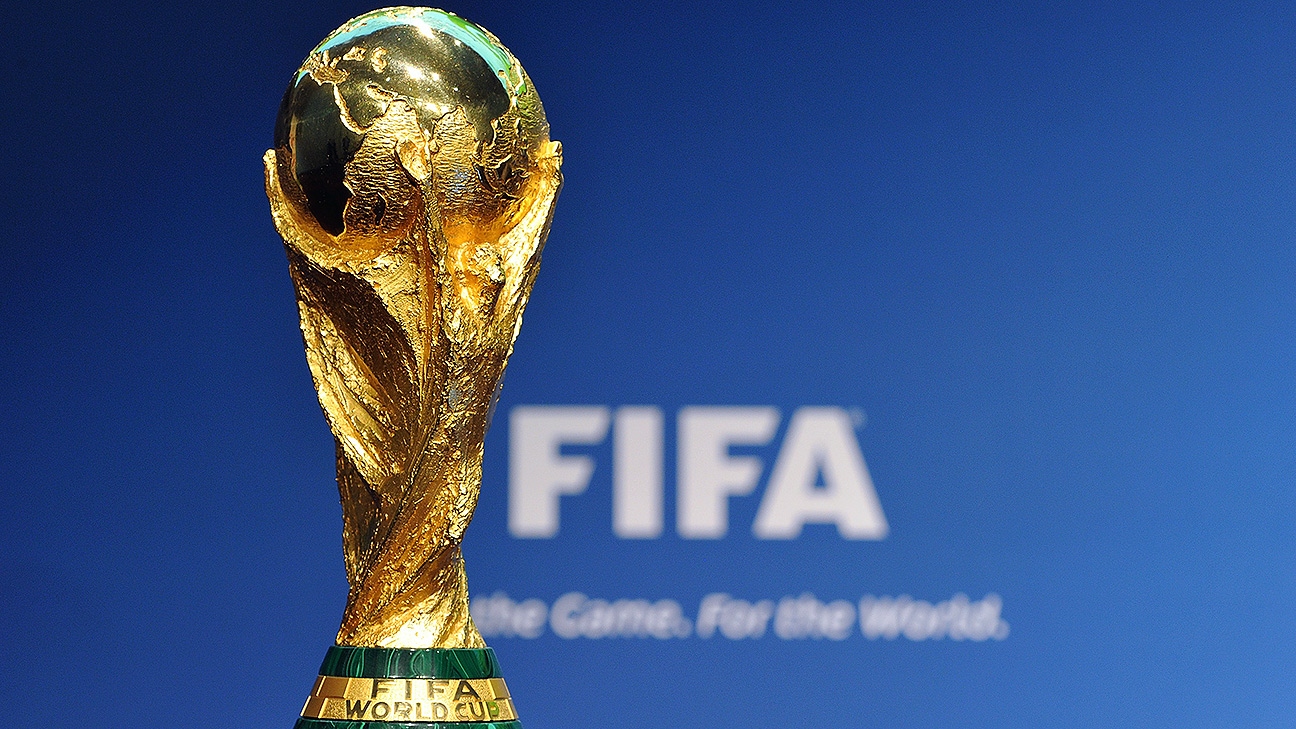
As the FIFA World Cup 2026 prepares to kick off on June 11 across the United States, Canada and Mexico, the buildup to football’s biggest tournament has been overshadowed by diplomatic tensions, visa disputes, labour unrest and mounting security concerns.
Instead of a seamless celebration of the “beautiful game,†the expanded 48-team tournament has already been hit by administrative confusion and geopolitical controversy even before the opening whistle.
Iran Forced to Shift Base Camp to Mexico
One of the biggest flashpoints involves Iran’s national team. Amid worsening political tensions between Tehran and Washington, FIFA approved Iran’s request to move its World Cup base camp from the United States to Tijuana, Mexico.
Although Iranian players eventually received clearance to enter the US for matches, several senior football federation officials and support staff members reportedly remain without visas. Iranian media reports identified Football Federation Secretary-General Hedayat Mombeini and Vice President Mehdi Mohammad Nabi among those facing delays.
Iran will now travel into the United States only for matchdays before returning to Mexico, creating major logistical complications for the squad.
The Iranian federation has criticised the situation, saying the visa delays undermine fair competition and disrupt tournament preparations.
Somali Referee Denied Entry to US
A major controversy erupted after Somali referee Omar Abdulkadir Artan was denied entry into the United States despite reportedly holding a valid visa approved through FIFA channels.
Artan, who was set to become the first Somali referee to officiate at a men’s FIFA World Cup, arrived at Miami International Airport from Istanbul but was stopped by US Customs and Border Protection officials and later deported back to Turkey after being deemed “inadmissible†due to unspecified vetting concerns.
The decision triggered outrage among Somali officials, football fans and African football circles. Somalia’s Ministry of Youth and Sports described the episode as “regrettable†and sought explanations from both FIFA and US authorities.
FIFA later confirmed Artan would not officiate at the tournament.
Teams Face Travel and Bureaucratic Problems
Several participating nations have struggled with visa processing delays and travel disruptions.
Reports from South Africa indicated that members of the national squad faced delays linked to incomplete visa clearances shortly before departure for North America, affecting preparation schedules.
DR Congo’s preparations have also reportedly been disrupted by strict health protocols and cancellation of warm-up fixtures in Europe due to local administrative concerns.
The expanded nature of the tournament — spread across three countries and multiple time zones — has significantly complicated logistics for federations, fans and organisers alike.
Stadium Worker Strike Threat Looms
Adding to FIFA’s concerns, labour tensions have emerged at SoFi Stadium in Los Angeles, one of the tournament’s key venues.
Hospitality workers represented by unions voted to authorise strike action after negotiations with stadium operators reportedly stalled over wages, working conditions and immigration enforcement concerns.
The stadium is scheduled to host several major fixtures, including a United States group-stage match.
Rising Costs and Security Concerns
Ticket prices for the 2026 World Cup are already being described as among the most expensive in tournament history, with soaring airfare and accommodation rates pricing out many travelling supporters.
At the same time, security agencies across North America remain on high alert amid concerns over potential civil unrest, extremist threats and politically motivated disruptions surrounding the month-long tournament.
Officials from multiple host cities are coordinating with federal agencies as security operations intensify ahead of the opening ceremony.
Political Tensions Overshadow Football
The tournament was envisioned as a landmark sporting festival uniting North America through football. Instead, visa controversies, geopolitical friction and operational uncertainty have increasingly dominated headlines.
Questions are also emerging over FIFA’s ability to manage politically sensitive tournaments in an era of tightening immigration rules and growing global instability.
Despite the turbulence, FIFA insists the World Cup will proceed as scheduled across all host venues.
But with travel disputes, staffing problems and diplomatic tensions already affecting teams and officials before kickoff, World Cup 2026 is beginning under an atmosphere of unprecedented scrutiny and pressure.
Story by Clive Alvares